Policy gaming AI events: Anticipation and adaptation through tabletop exercises
Strategy gaming can help to pre-emptively model incentives and stress test decisions under uncertainty. As AI-related events lack historical precedents, these methods can assist in planning and preparedness.
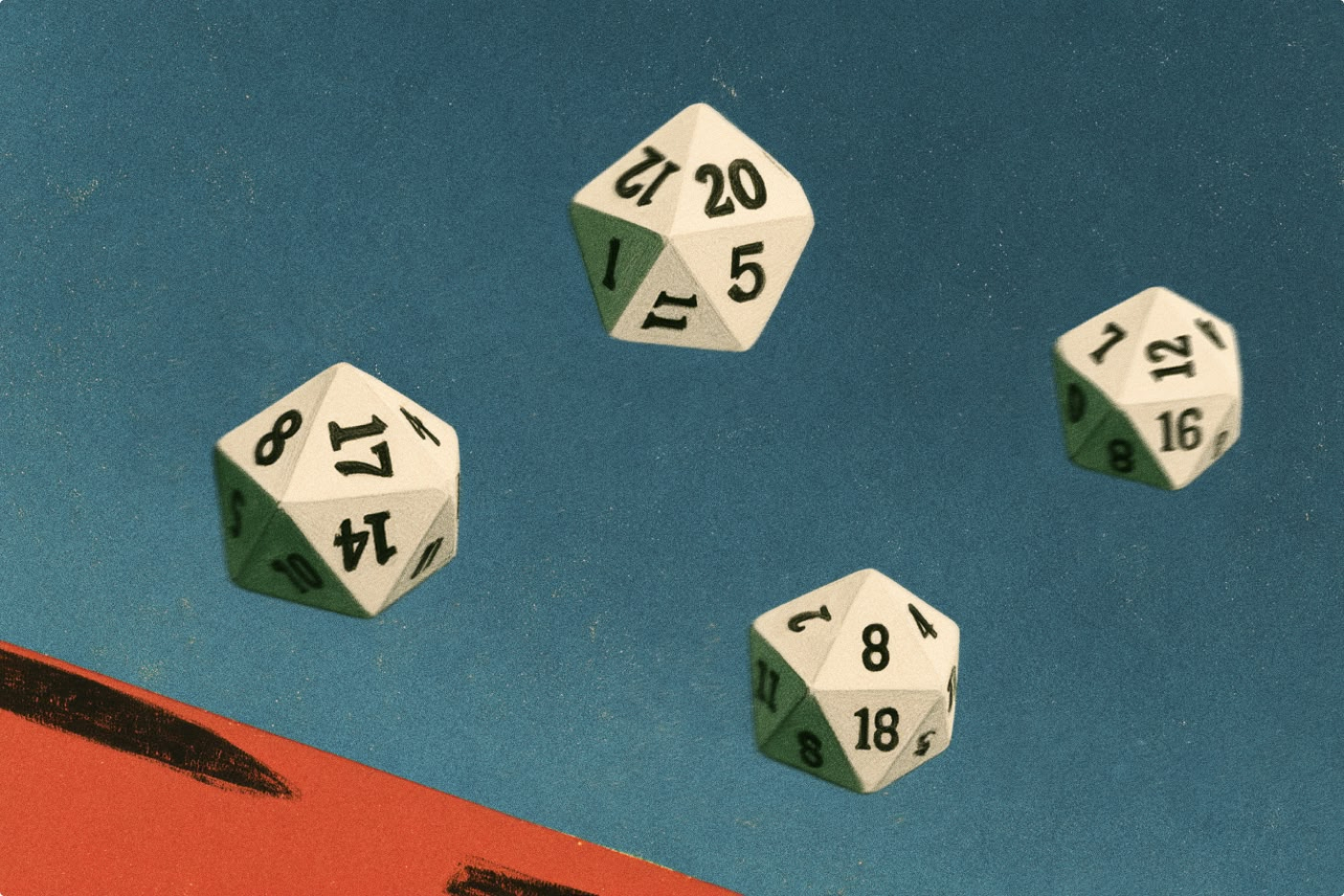
This is it – you need to make a decision and there’s not a lot of time left. The stakes are set, the new crisis has shifted the balance and your approval rating or revenue is going down. You look at the cards that you were dealt… and you decide one. Fate has been chosen.
Does this remind you of the last time you tried to strategically outmaneuver your friends or family in a game of Risk[1]? Or maybe you never played the board game and think mainly, when considering games, about Uno and tic-tac-toe. More importantly, what does all of that have to do with the complexity of decision-making in an ever-changing real world?
What games can teach us about decisions and interactions
From biology, we know that playing can be used to learn how certain behaviors translate into specific outcomes. It provides a safe way to develop expertise and foresight. Games, as an extension of playing, can serve the same purpose in different forms. This has been known, not just by parents and teachers, but by militaries and political decision-makers alike.
For example, in 19th century Prussia,[2] militaries would test out strategies and model the impacts of decisions by pushing soldiers on little maps. This practice, as an approach to support strategy, developed into what became known as “wargaming” and was adopted by institutions including the US Navy and the UK Ministry of Defense. Nonetheless, it is far from bound to military settings.
Conversations at the frontier, in your inbox
SubscribePurposes of strategy gaming
Imagine, you’re put in a role play: you are the government of a country. You may wish to increase the welfare of your people while also needing to deal with stakeholders of different interests: corporations might be lobbying you to do one thing, while a public institution wants you to go in a different direction, and the media is having a close eye on your actions. What will you, as the government, do? You will probably exchange with the other actors, gauge their interests, potentially make (non-binding) deals, and in the end make decisions affecting the overall trajectory of your country. By doing so, you, personally, learn how parts of policy-making work. That is one of the purposes of this method: teaching participants dynamics and interactions in complex settings.
A separate goal of this method is to understand the trajectory of outcomes in complex settings and contexts. Again, if we are facing many actors with very different (and potentially hidden) incentives, what could be the range of overall outcomes of a situation? Traditional war games have served this purpose to simulate how particular military movements might trigger reactions by adversaries, which can then inform real-world decision-making. Even in peaceful settings, you, as the government role-player, will find out how the mix of your policies and the other actors’ decisions will affect wider outcomes. This kind of insight is particularly useful if the outcome is novel, hard to model from historical precedents, and is the result of complex interactions of many different institutions.
Strategy gaming and AI at MAI Futures
With exponentially rising AI capabilities, perceptions of AI’s moral status, cyber security concerns and economic forecasts ranging from doom to boom, strategy gaming offers one way to explore our complex future with AI.
The MAI Futures Team applies a range of futures methods and recently used policy gaming to explore possible outcomes, focusing on one scenario of an AI related crisis event. Participants inhabited the roles of institutional, public, and private sector actors, playing over five rounds of reactions, responses, and deal-making. The team acted as facilitators in the game, capturing the range of choices made at specific points in the sessions, as well as relevant interactions between players, and what led to different decisions being made. Read the full paper on the game here.
No choice is isolated, and we all have said at some point in our lives that with hindsight, we should’ve done A, B or C. However, in the very moment and under pressure, we all end up choosing what we weigh to be the better option. With the future seeming more uncertain than ever, we should use all methods at our disposal to anticipate it: policy gaming is one of them, even (especially?) in the age of AI.
[1] https://en.wikipedia.org/wiki/Risk_(game)
[2] Caffrey, Matthew B. Jr., “On Wargaming” (2019). The Newport Papers. 43. https://digital-commons.usnwc.edu/newport-papers/43