

Authors
Alain de Botton
Alain de Botton was born in Zurich, Switzerland and now lives in London. He is a writer of essayistic books on love, travel, architecture and literature that have been described as capturing a ‘philosophy of everyday life.’ His books have become bestsellers in 30 countries. Alain also started and helps to run The School of Life in London, an institution dedicated to a new vision of education.
Alain de Botton: AI doesn’t kill love, it could rescue it
Humans could use some help when it comes to matters of the heart. What if technology could help us where we have been hopeless?
Alison Gopnik
Alison Gopnik is a professor at UC Berkeley whose research sits at the intersection of developmental psychology, cognitive science, and philosophy of mind. Her work on how children learn has reshaped how we understand early cognition. Her books include The Scientist in the Crib, The Philosophical Baby and The Gardener and the Carpenter.
What children can do that AI can’t
Psychologist Alison Gopnik tells three stories about intelligence — a golem, a pot of stone soup, and a digital child — to explain what AI still can't do.
Amaury Greig
Amaury Greig is a partner and director of operations at international architectural practice Renzo Piano Building Workshop. He began his career in Canada and France, contributing to major projects including the Paris Courthouse and the New Toronto Courthouse, and has led competitions and projects across Europe and North America.
The architect as humanist builder: why AI can’t replace craft
A conversation with Amaury Greig, a partner at Renzo Piano Building Workshop on the original human-centered design: architecture.
Amy Kurzweil
Amy Kurzweil is a cartoonist for The New Yorker and author. Her books include Flying Couch: A Graphic Memoir and Artificial: A Love Story, which chronicles her efforts with her father to build a chatbot based on her grandfather’s writings.
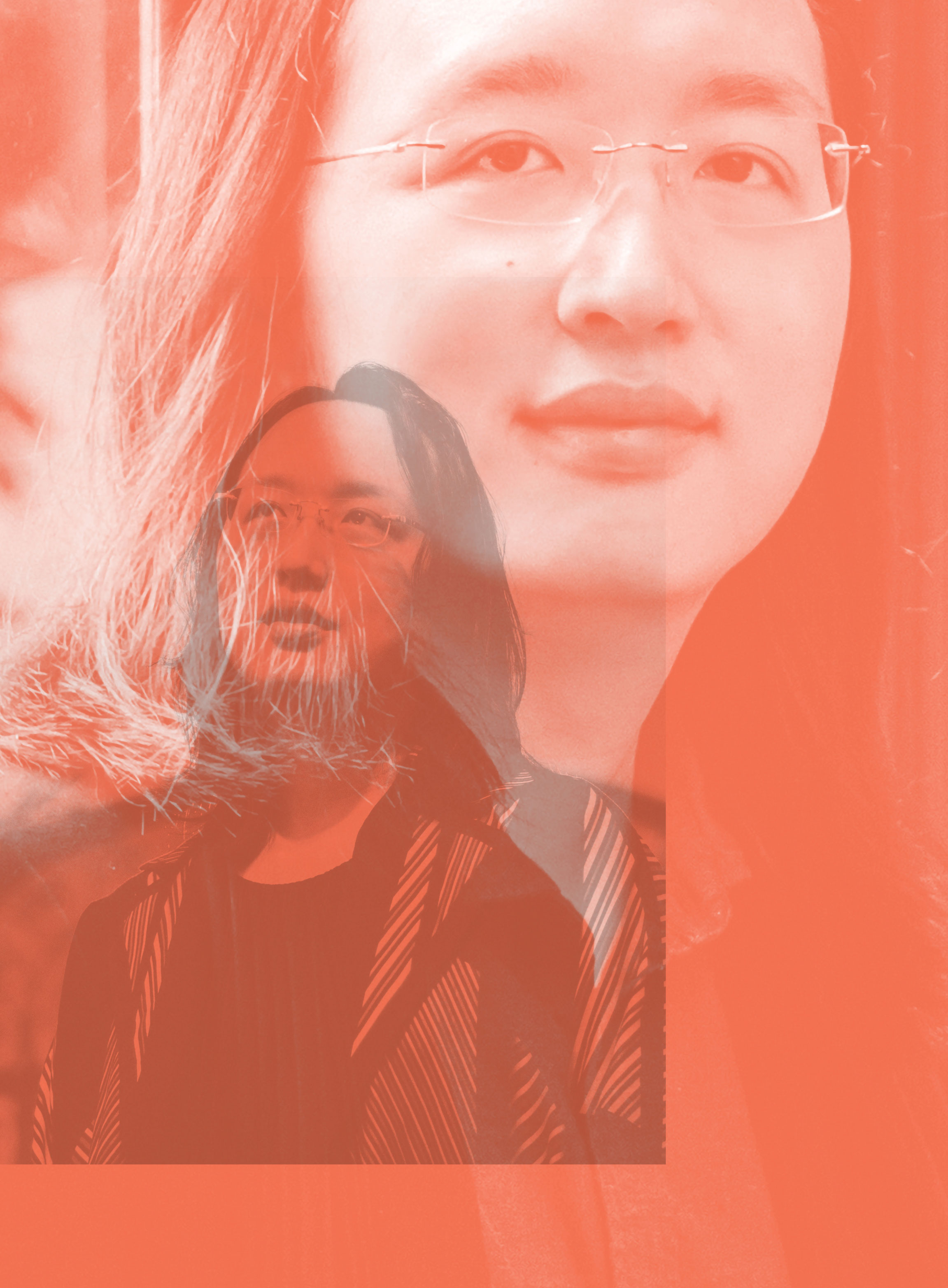
Audrey Tang
Audrey Tang is Taiwan’s cyber-ambassador and a 2025 Right Livelihood Laureate. She previously served as the country’s first digital minister, bringing a deep civic hacking background to public office. She is currently an inaugural senior accelerator fellow at the Oxford Institute for Ethics in AI, co-authored Plurality (with E. Glen Weyl), and developed the Civic AI research project (with Caroline Green).
AI and democracy: the right to resist optimization
Taiwan's cyber-ambassador Audrey Tang on why the real danger of AI isn't that machines imitate humans, but that humans adapt to machines.
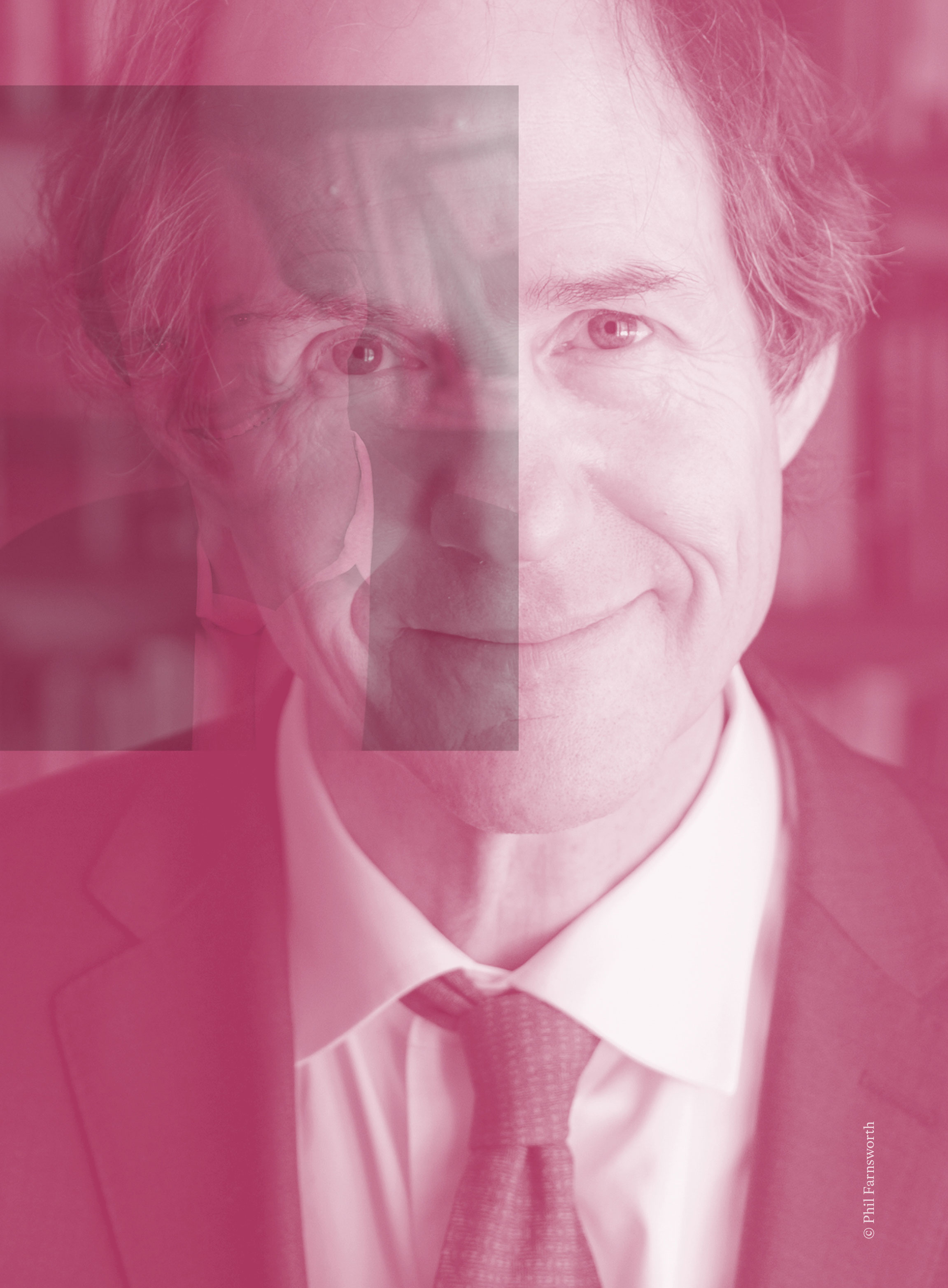
Cass R. Sunstein
Cass R. Sunstein holds the Robert Walmsley University Professorship at Harvard, where he founded and leads the Program on Behavioral Economics and Public Policy at Harvard Law School. He ran the White House Office of Information and Regulatory Affairs under President Obama, and later served on the President’s Review Board on Intelligence and Communications Technologies and the Pentagon’s Defense Innovation Board.
Does AI have rights?
ChatGPT said no. Claude wasn't sure. Harvard's Cass R. Sunstein argues that the only thing that could give AI rights is still missing.
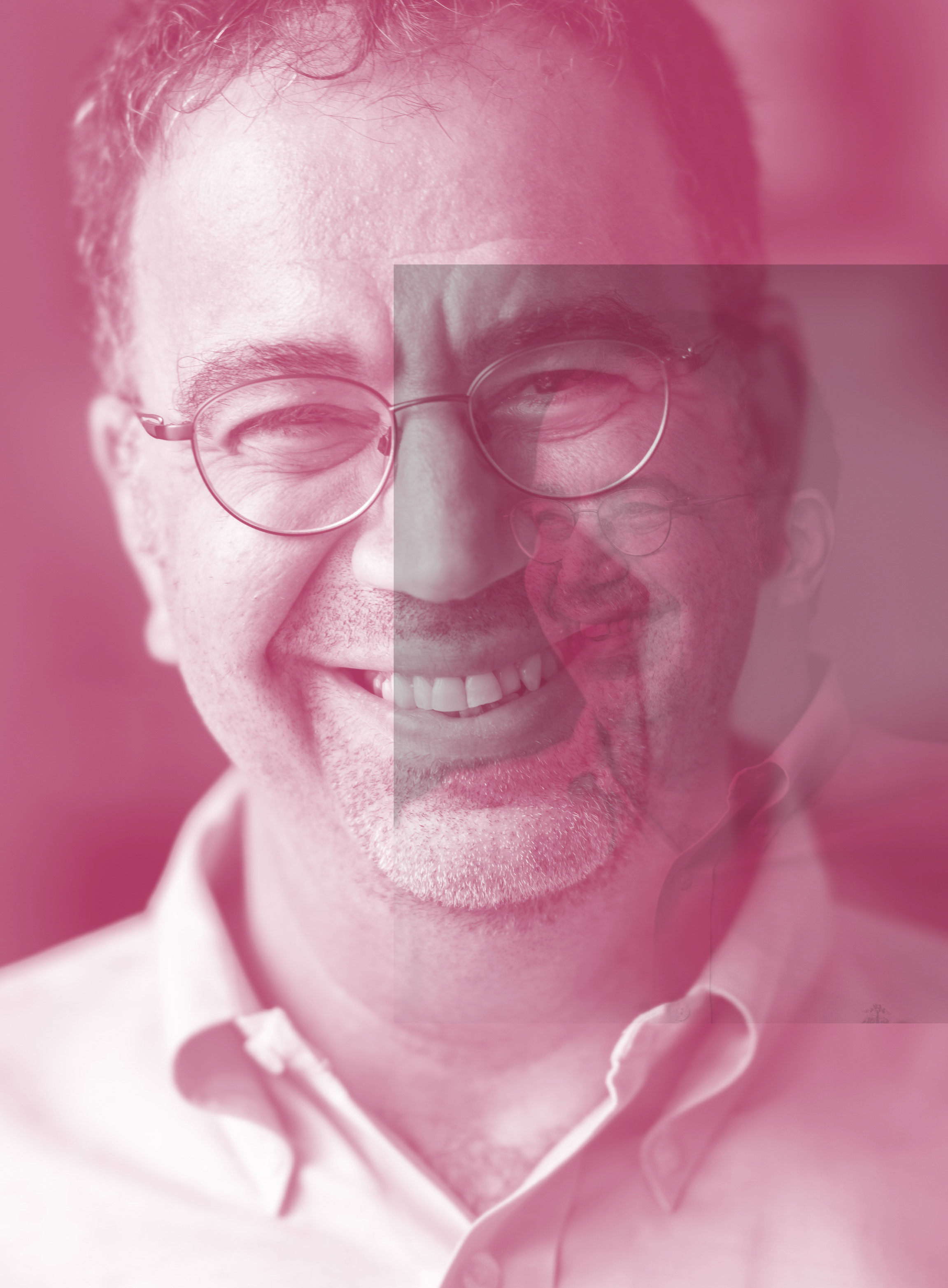
Daron Acemoglu
Daron Acemoglu is an economist and Institute Professor at MIT. He received the 2024 Nobel Prize in Economic Sciences alongside Simon Johnson and James A. Robinson, with whom he co-authored books including Why Nations Fail, The Narrow Corridor and Power and Progress.
Will AI replace workers? Not if we build it right
MIT professor Daron Acemoglu argues that AI is chasing the wrong goal. Instead of replacing workers, it should make them better at their jobs.
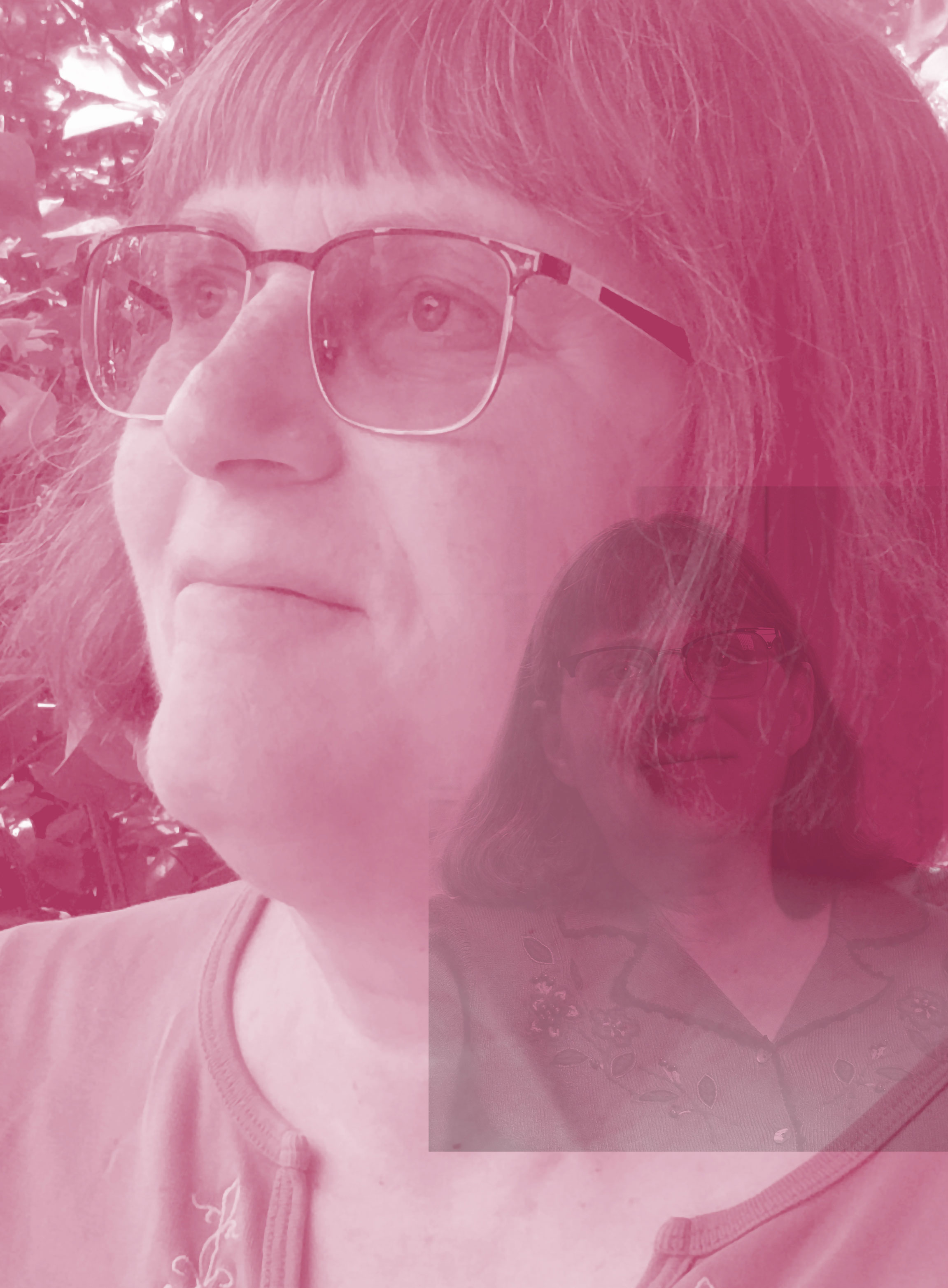
Elizabeth Anderson
Elizabeth Anderson is a philosopher at the University of Michigan whose work spans social and political philosophy, ethics, feminist thought and political economy. Her most recent book Hijacked: How Neoliberalism Turned the Work Ethic against Workers and How Workers Can Take It Back was published in 2023.
AI will change work. The biggest loss won’t be economic
Philosopher Elizabeth Anderson on why work gives life purpose, mastery, and autonomy, and why a future without it isn't the liberation it seems.
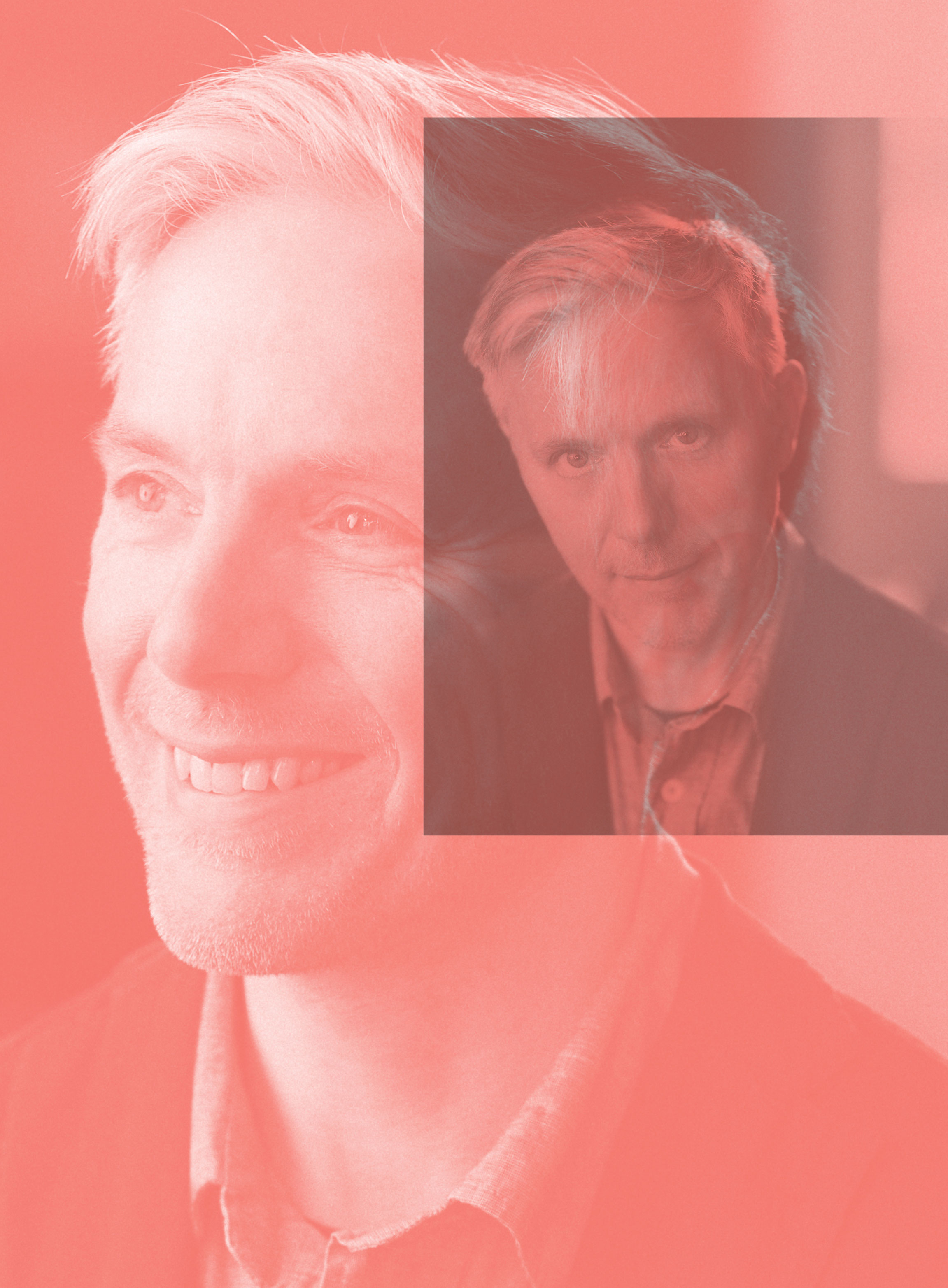
Ian Leslie
Ian Leslie is a British author who writes about psychology, creativity and how people connect. His books include John & Paul: A Love Story in Songs (2024) and Conflicted (2022). His journalism has appeared in the Financial Times, the Economist, the New York Times and the Sunday Times. He publishes The Ruffian, a newsletter on Substack.
What Lennon and McCartney can teach AI about collaboration
The greatest creative partnerships ran on friction, ego, and love. Author Ian Leslie asks whether AI can ever get there.
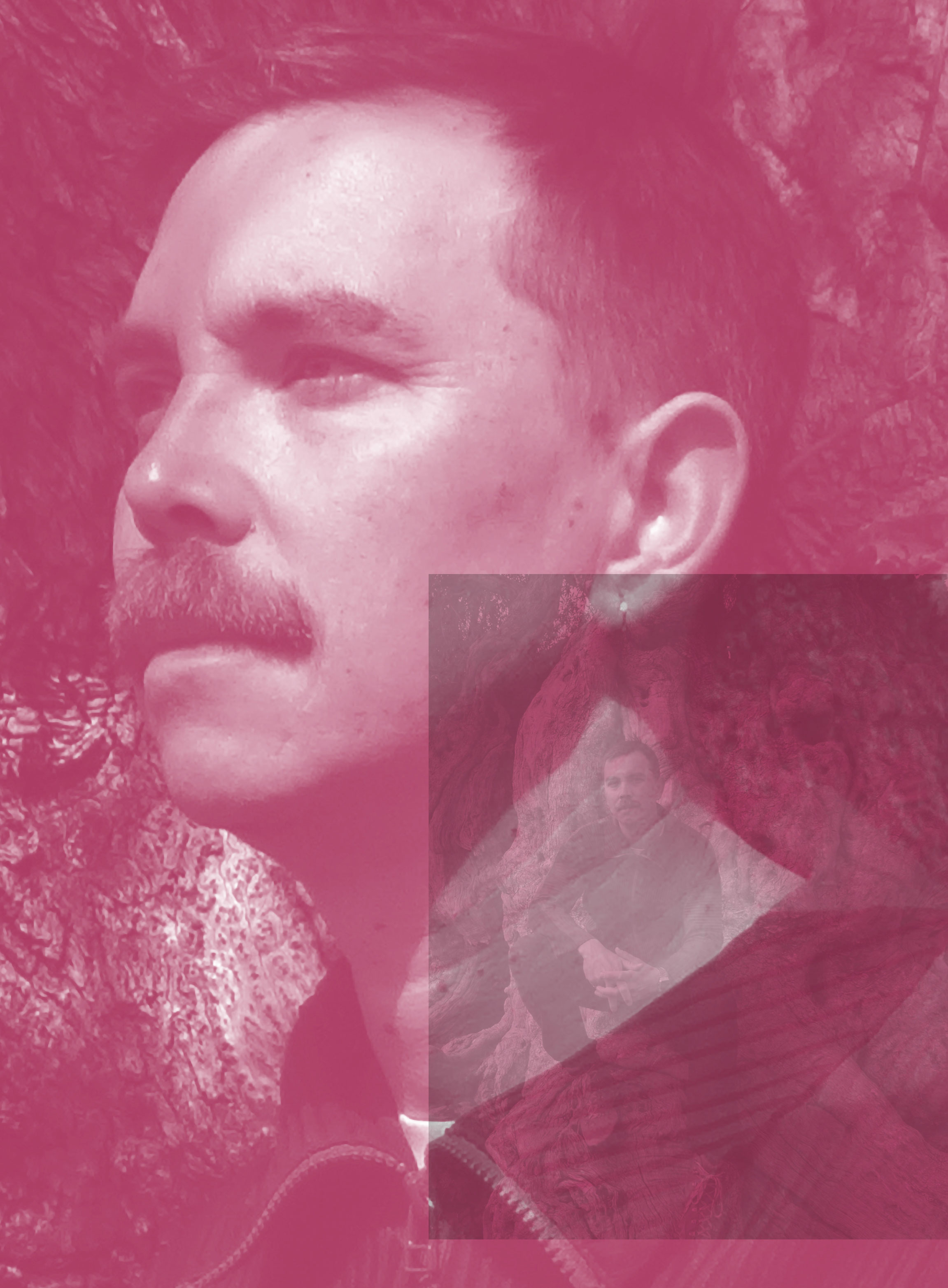
James Bridle
James Bridle is a writer, artist and technologist. Bridle is the author of New Dark Age (2018) and Ways of Being (2022) and wrote and presented New Ways of Seeing for BBC Radio 4 in 2019.
AI was built on human intelligence. Nature has more to teach
Six hundred million years of thinking happened without us. Writer James bridle on what can an octopus, a spider and a flower tell us about the nature of intelligence.
Jonathan Nolan
Jonathan Nolan is an Oscar- and Emmy Award-nominated writer, director and producer. His latest series, Fallout, is a critically acclaimed global hit that garnered 17 Emmy nominations its first season. Nolan’s past work includes Memento, The Prestige, The Dark Knight, Interstellar and Westworld, which he co-created and for which he directed the pilot.
Jonathan Nolan co-created Westworld and co-wrote Interstellar. How does he see AI?
Screenwriter Jonathan Nolan and author Will Storr discuss what AI gets right about stories, and what it’s missing.
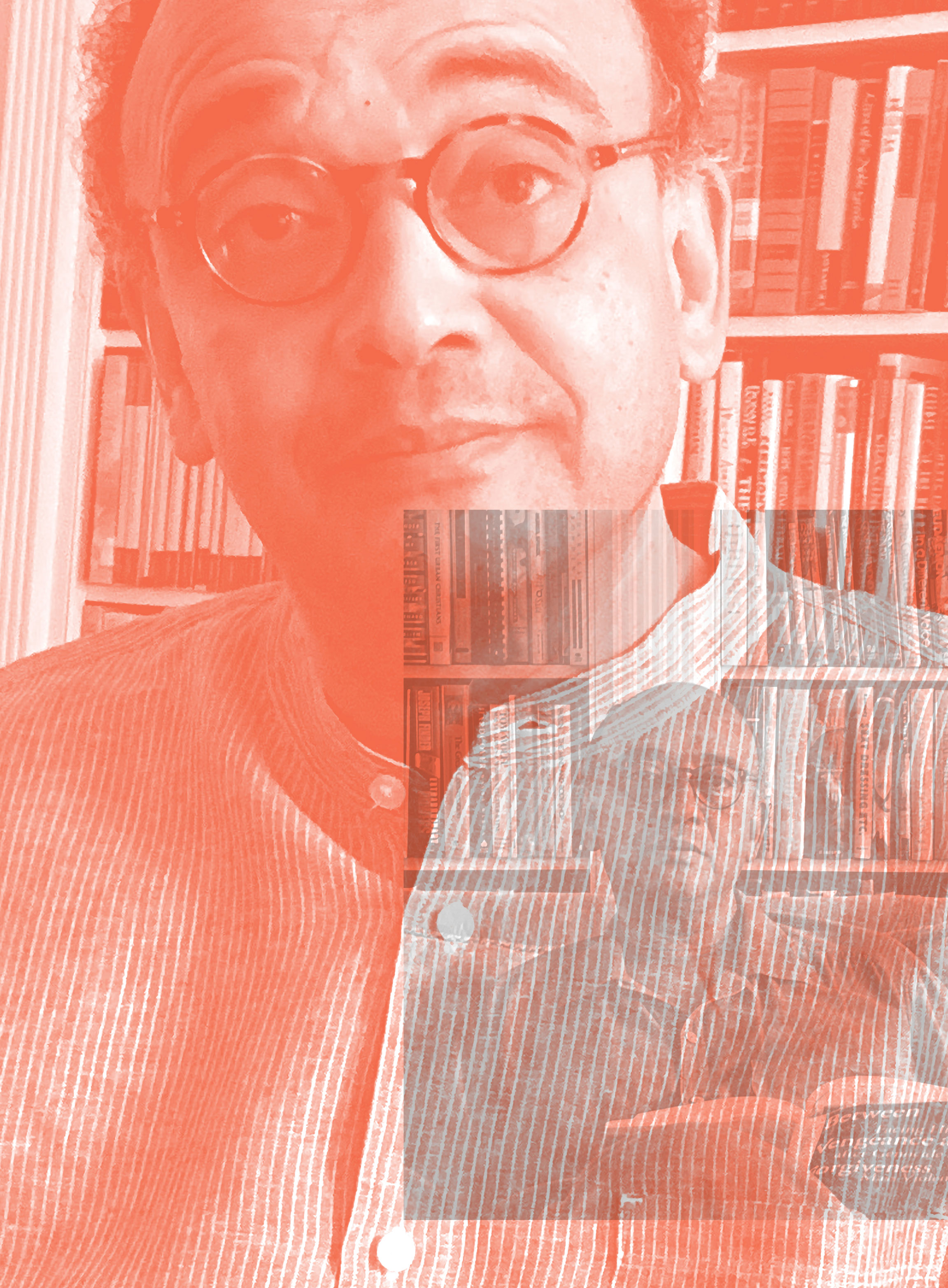
Kwame Anthony Appiah
Kwame Anthony Appiah is a philosopher and writer working across political philosophy, ethics, language and African intellectual history. A professor of philosophy and law at New York University, he writes The Ethicist, the long-running ethics column in the New York Times Magazine.
AI is changing what we can do. Who we become is still our choice
To understand AI's effect on moral character, ethicist Kwame Anthony Appiah goes back to John Stuart Mill, and the idea that people are shaped by their choices.
Mustafa Suleyman
Mustafa Suleyman is the CEO of Microsoft AI. Before Microsoft AI, he cofounded Inflection AI and DeepMind. He wrote The Coming Wave: Technology, Power, and the Twenty-first Century’s Greatest Dilemma, with Michael Bhaskar.
The intelligence we choose
Technology, when built with intention and humility, is not opposed to humanity. It's an expression of us.
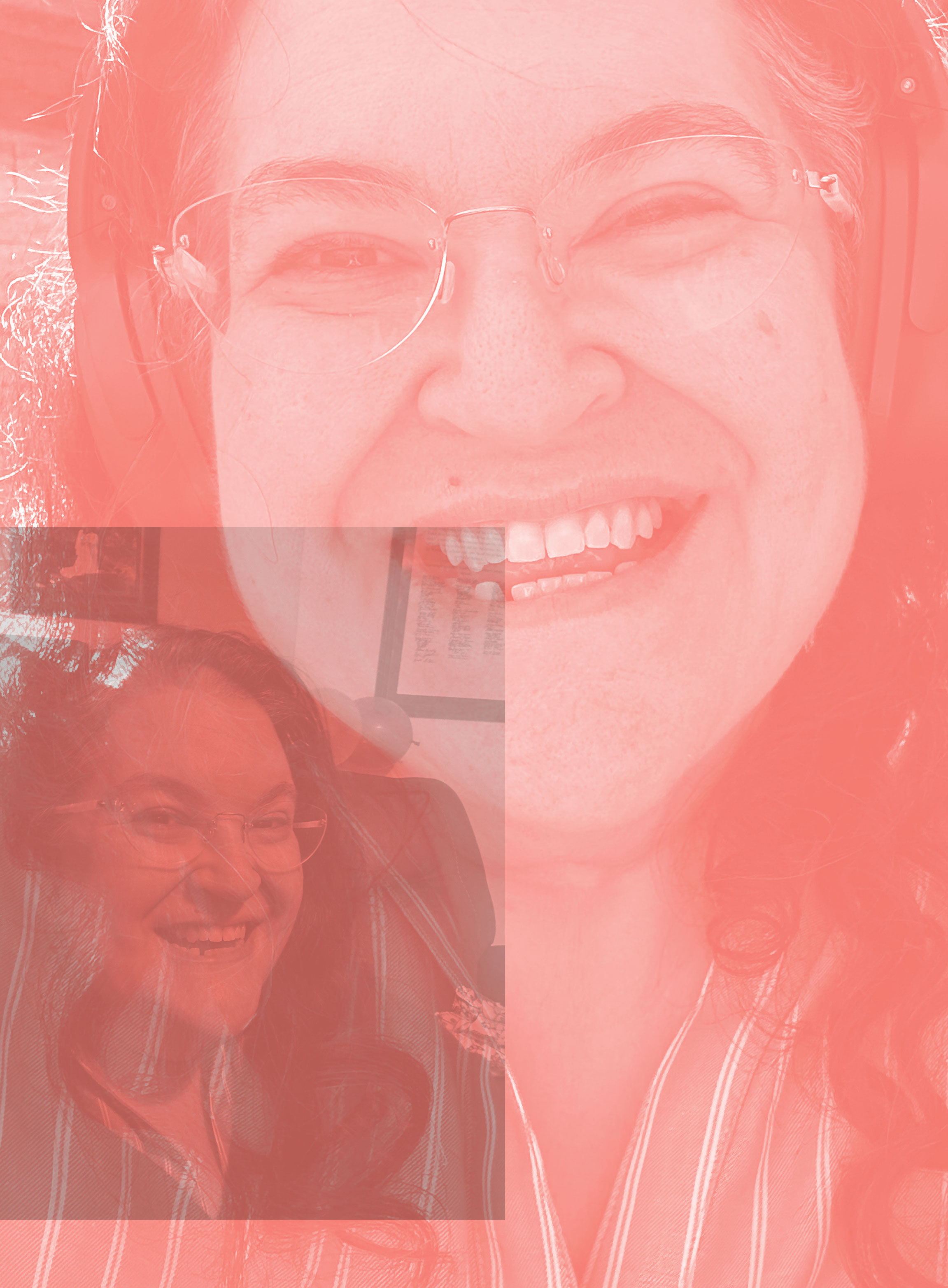
Naomi Alderman
Naomi Alderman is an award-winning novelist, broadcaster, TV producer and videogames creator. She is the author of the bestselling, multi-award-winning The Power, which became a TV series for Amazon Prime. Her latest novel The Strangers will be published in September 2026.
Writers agree: AI isn’t a novelist. So why is this author interested?
Naomi Alderman is a best-selling, award-winning novelist. She thinks AI writing is terrible. She's fascinated anyway.
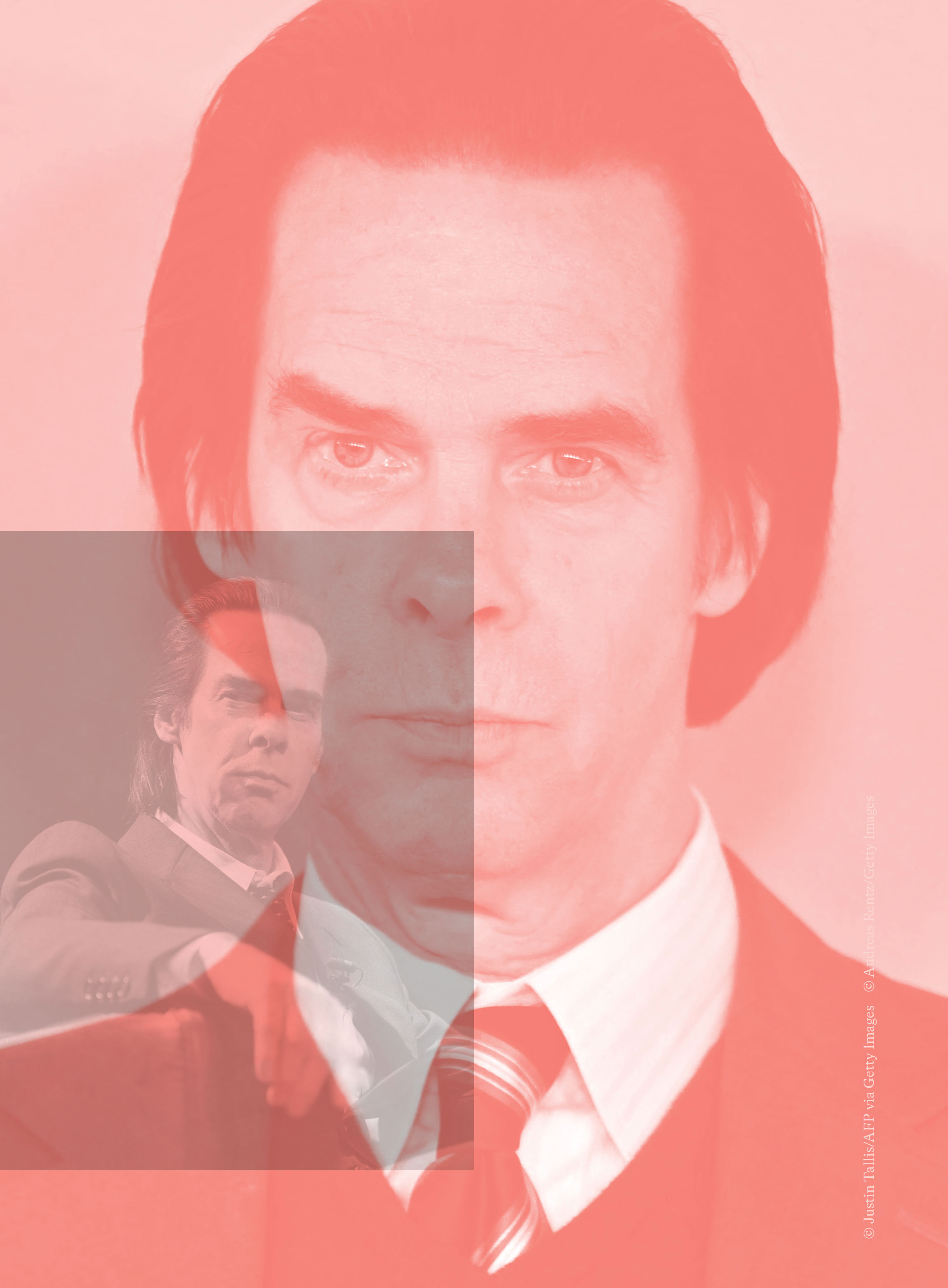
Nick Cave
Nick Cave is an acclaimed Australian singer, songwriter and ceramic artist, best known as the frontman of Nick Cave & the Bad Seeds. Over a creative career spanning more than 40 years, he has worked as a solo and collaborative musician, a score composer and a writer of books and film scripts. In 2018 he launched The Red Hand Files, a weekly mailer and website where he offers candid and insightful responses to questions from fans.
Nick Cave on grief, creation, and what AI can never write
“To love the things you once wished to destroy”: musician and songwriter Nick Cave introduces a selection of correspondence from The Red Hand Files.
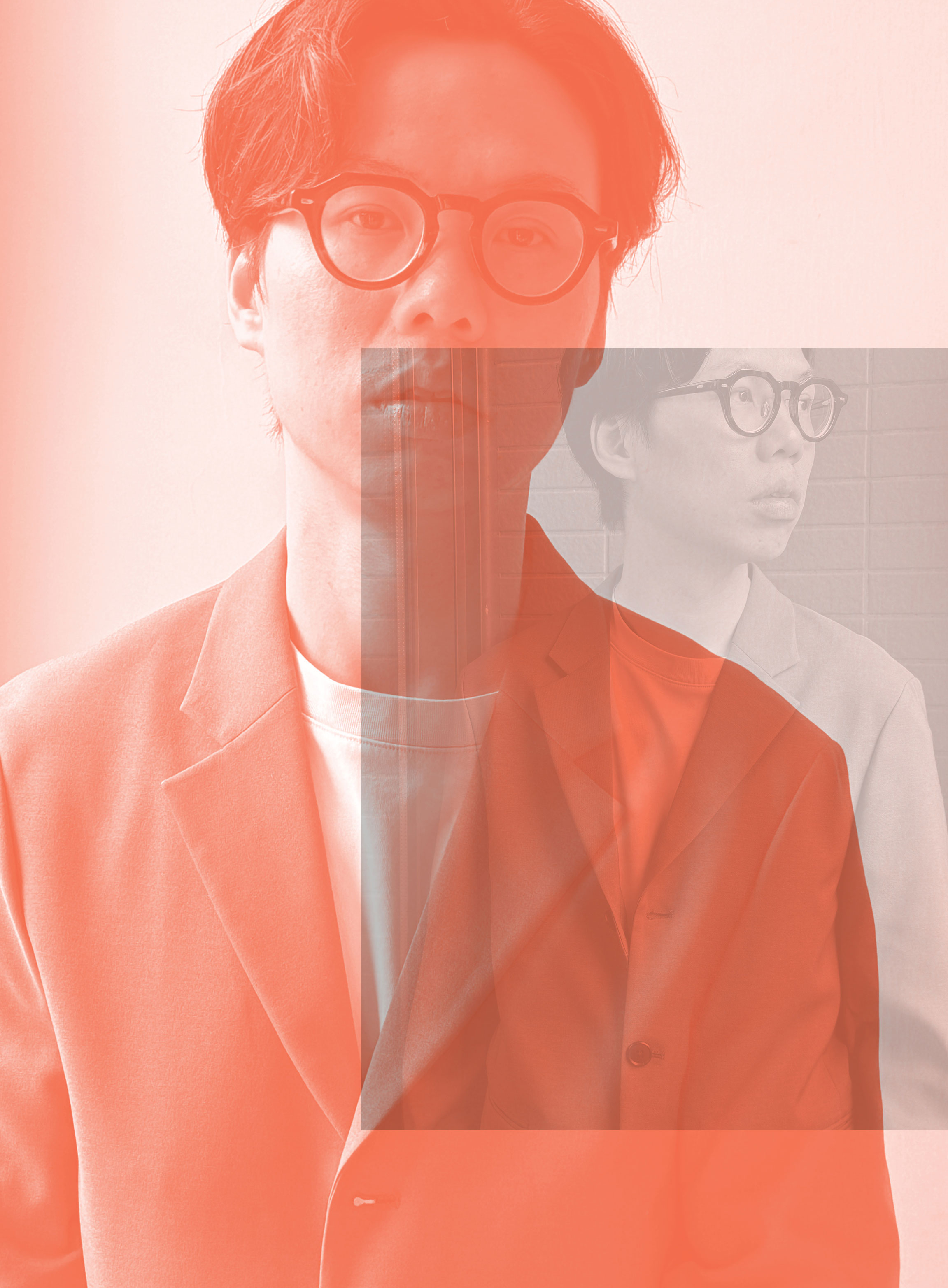
Pak-Hang Wong
Pak-Hang Wong is a philosopher of technology based at Hong Kong Baptist University. He studies how AI and emerging digital technologies shape social, ethical and political life from an intercultural perspective. He serves as Editor-in-Chief (Ethics, AI & Data) at Ethics and Society and Associate Editor (Epistemology and Technology) at Philosophy & Technology.
Governing agentic AI: From human control to human becoming
Most AI governance is built on Western assumptions. Philosopher Pak-Hang Wong draws on Confucianism to propose a new foundation.
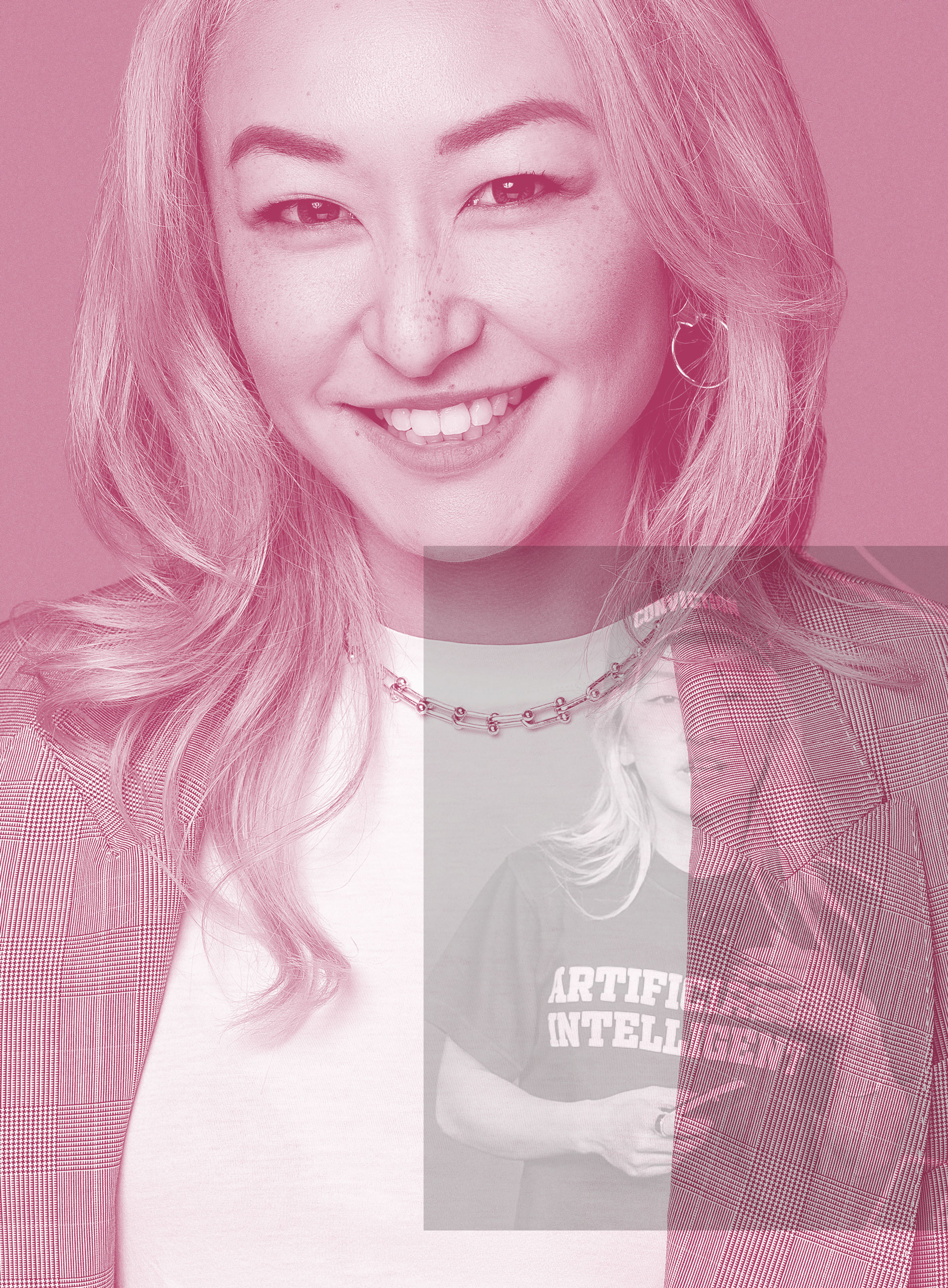
Sarah Guo
Sarah Guo is a San Francisco-based tech investor who founded Conviction, an AI-focused venture fund. She has been an early investor in Sierra, Harvey, Baseten, OpenEvidence, Cognition and Mistral. She previously worked at Greylock. She co-hosts the tech podcast No Priors.
AI could transform healthcare and education. Why aren’t we more ambitious?
Investor and technologist Sarah Guo argues that the biggest risk with AI isn't moving too fast, it's thinking too small.
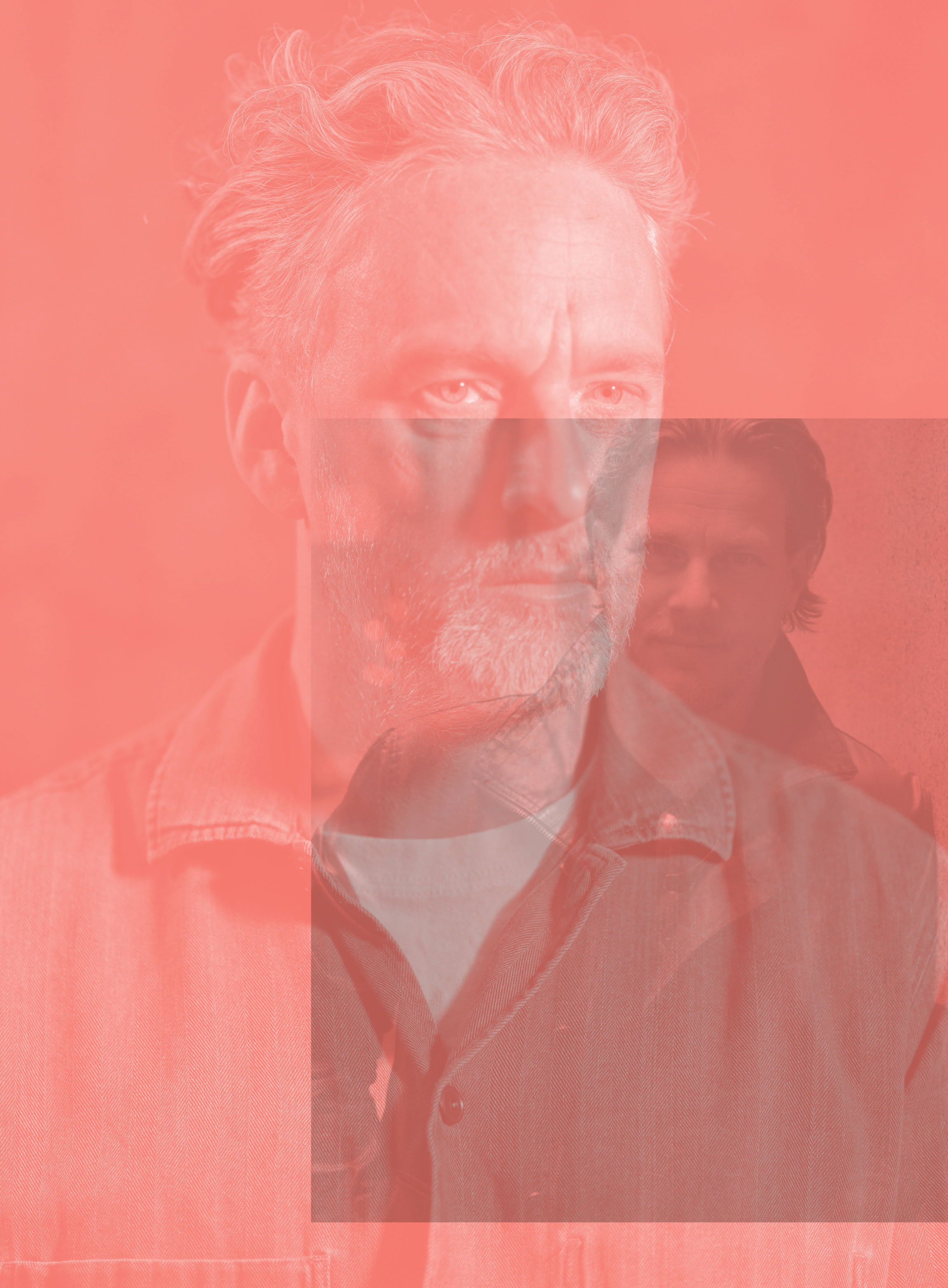
Will Storr
Will Storr is a British author and journalist whose work investigates how identity, narrative and social hierarchies shape human behavior. His books include The Status Game and The Science of Storytelling.
Jonathan Nolan co-created Westworld and co-wrote Interstellar. How does he see AI?
Screenwriter Jonathan Nolan and author Will Storr discuss what AI gets right about stories, and what it’s missing.