

The architect as humanist builder: why AI can’t replace craft
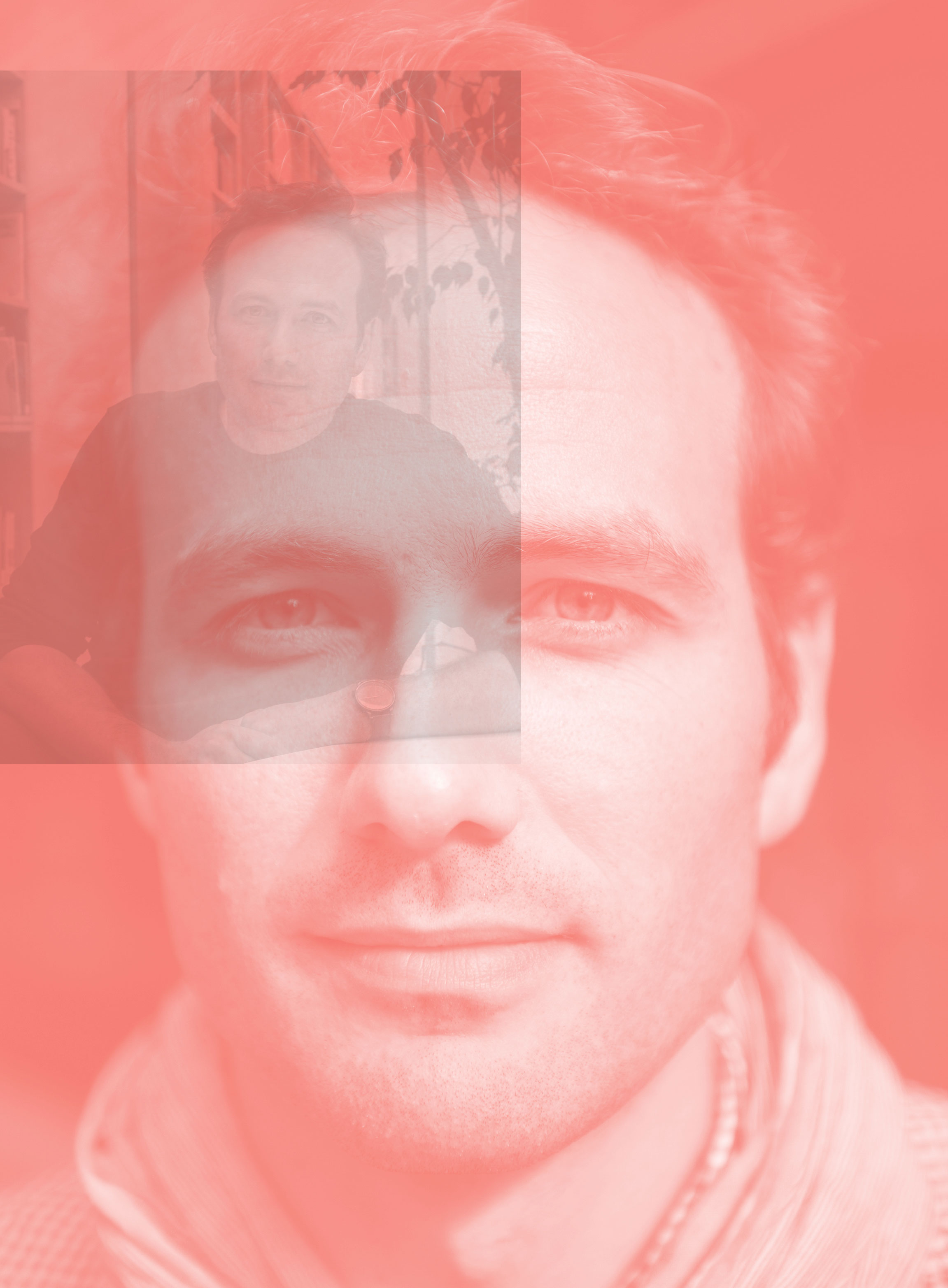
A conversation with Amaury Greig, a partner at Renzo Piano Building Workshop on the original human-centered design: architecture.
Few disciplines embody the tension between art and technology like architecture. Buildings last for centuries and are made for people the architect will never meet. Can architects be futurists and optimists? Amaury Greig, a partner at Renzo Piano Building Workshop, believes they can.
Architecture sits between art and engineering. How do you hold those two things together?
The intersection between the human and the technical is not a problem to be solved in and of itself. If you take away that tension, it doesn’t make for better architecture—on the contrary, you either get engineering or decoration. As an architect, you live between those two centers of gravity.
At some point after the Renaissance, humanities and science parted ways so that on one hand you had the architect as a humanist intellectual and on the other you had the master builder with their technical knowledge. This split has persisted over time, leaving us with siloed design studios on one side and engineers on the other. In our studio, in contrast, we imagine projects with the intent to build and we think of engineering as having the capacity to delight. You might say we aim to be Humanist Builders.
What is AI changing about how architects work?
The arrival of AI asks architects to consider how much of design should be systemic and how much should be fundamentally singular. To illustrate, we were in the office the other day and Renzo mentioned Moby Dick. The sole survivor of the story is Ishmael, who recounts the tale of a captain’s obsessive pursuit of a whale.
Why does he survive? It isn’t because he’s more knowledgeable or committed than the others, but rather because he isn’t consumed by obsession in the way that they are. He accepts mystery and uncertainty while the captain demands control. Afterwards, he finds meaning through reflection: he has the perspective of an engineer and the words of a poet.
Ishmael would have been a good architect! Someone who can understand the compressive strength of stone but also understand the way that stone can make you feel.
AI tools are so seductive, so capable, so fast that they can give the architect the impression of total mastery. Infinite variations, very quick resolution, photorealistic renderings. That’s the whale. A promise of total optimization that will somehow ultimately solve architecture with enough data and computational power. This is the murderous captain’s logic, a monomania of the algorithm. It isn’t stupid, it is obsessive and brilliant—but it will take the whole crew down with it if you let it set the course. In the story, the whale cannot be caught because it’s alive; it isn’t a static target. The human need that architecture serves isn’t a static target either.
The critical issue is to find ways that we can amplify inquiry, nurture critical thinking and avoid depending on models that can either set a course or take over questions of creation and authorship. As the technology progresses there is a concern that architects will lose their capacity for critical analysis and it will become crucial for models to generate more questions than answers.
How do architects think about the future?
Architects have to be optimists by nature. From start to finish the average project lasts about six to seven years. That’s a long time! Seven years ago the world was a different place. In seven years the world will be a vastly different place. So you have to be a bit of a futurist, yes, but you really primarily have to be an optimist, and aim to imagine then build the best possible outcomes for the people who are going to live in the places that you design.
And that’s only the beginning, because the average age of buildings in Paris is well over 150 years. That thing will be there every day, in the rain, in the snow, under the sun, still making the statement developed decades earlier. That sits in stark contrast with the speed at which technology develops, which can generate some anxiety for an architect.
Tech products are often developed to respond to immediate needs. I wonder if this acceleration has somewhat diluted if not eliminated the question of seriousness from the design and production of technology. Something we approach as temporary won’t be developed with the same amount of attention or care.
And that’s why we need a bit of time. It takes many failed drawings to finally get to the right one; that’s the process. It’s normal, it’s OK. I need to go through making 100 drawings to understand that the 101st drawing is the right one. I think there’s a real question there in terms of focusing on what we actually want technology to do for us. In some instances it may be better to slow down—efficiency isn’t always the best option.
How do you think about the human experience in what you design?
There’s a real difference between density and proximity. And then a further difference between density and community. Treating these things as interchangeable has probably produced some of the worst architectural and urban results of the last century.
You can stack people vertically, you can isolate them horizontally. They can share structures, they can share buildings, but they might not share life. Similarly, technology can enable a huge amount of connectivity and zero proximity. I could have tens of thousands of followers and no neighbors. What actually produces community is more specific and more fragile. It’s a condition of legibility and presence at a human scale.
The shopkeeper talking with people passing by on the street, the children walking out of school together, apartment residents sharing an entryway with an old person’s home. All these points of interaction are the substrate of civic life. And they really need a physical space in which to exist.
The threshold you cross into a building is extremely important. You can feel secure in a space or afraid, based on its proportions, its materials, the amount of natural light. These things don’t translate directly into technological questions. But it’s the same idea: approaching the human experience, especially the shared human experience, the civic experience of life, and trying to think precisely and carefully about what matters most.
Remember the whale. Some challenges aren’t problems to be solved but are core to our human experience of the world.

Related Articles
Jonathan Nolan co-created Westworld and co-wrote Interstellar. How does he see AI?
AI and democracy: the right to resist optimization