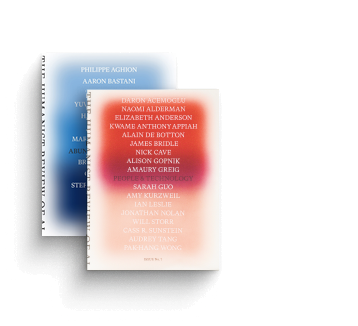
The Humanist Review of AI, Issues 01 and 02

Conversations at the frontier,
in your inbox
Subscribe
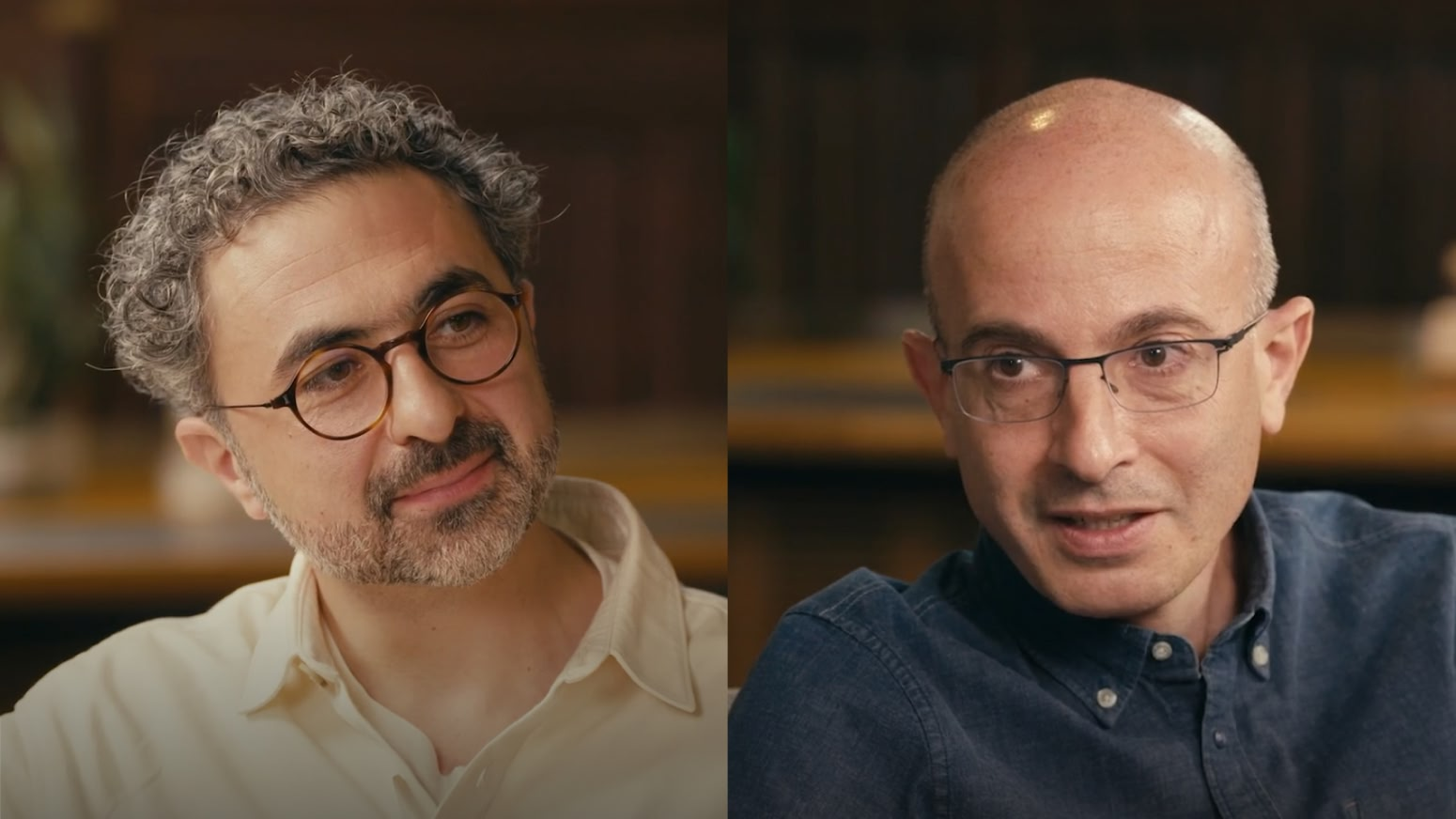
Side-by-side portraits of Mustafa Suleyman and Yuval Noah Harari.

On the eve of abundance: Yuval Noah Harari and Mustafa Suleyman on AI
A historian and a technologist discuss a future of vastly greater intelligence, and whether it will help us understand ourselves or make the world harder to comprehend.

Yuval Noah Harari, Mustafa Suleyman

The challenges of more and less

Mustafa Suleyman, CEO of Microsoft AI

Garry Tan on staying above the AGI line
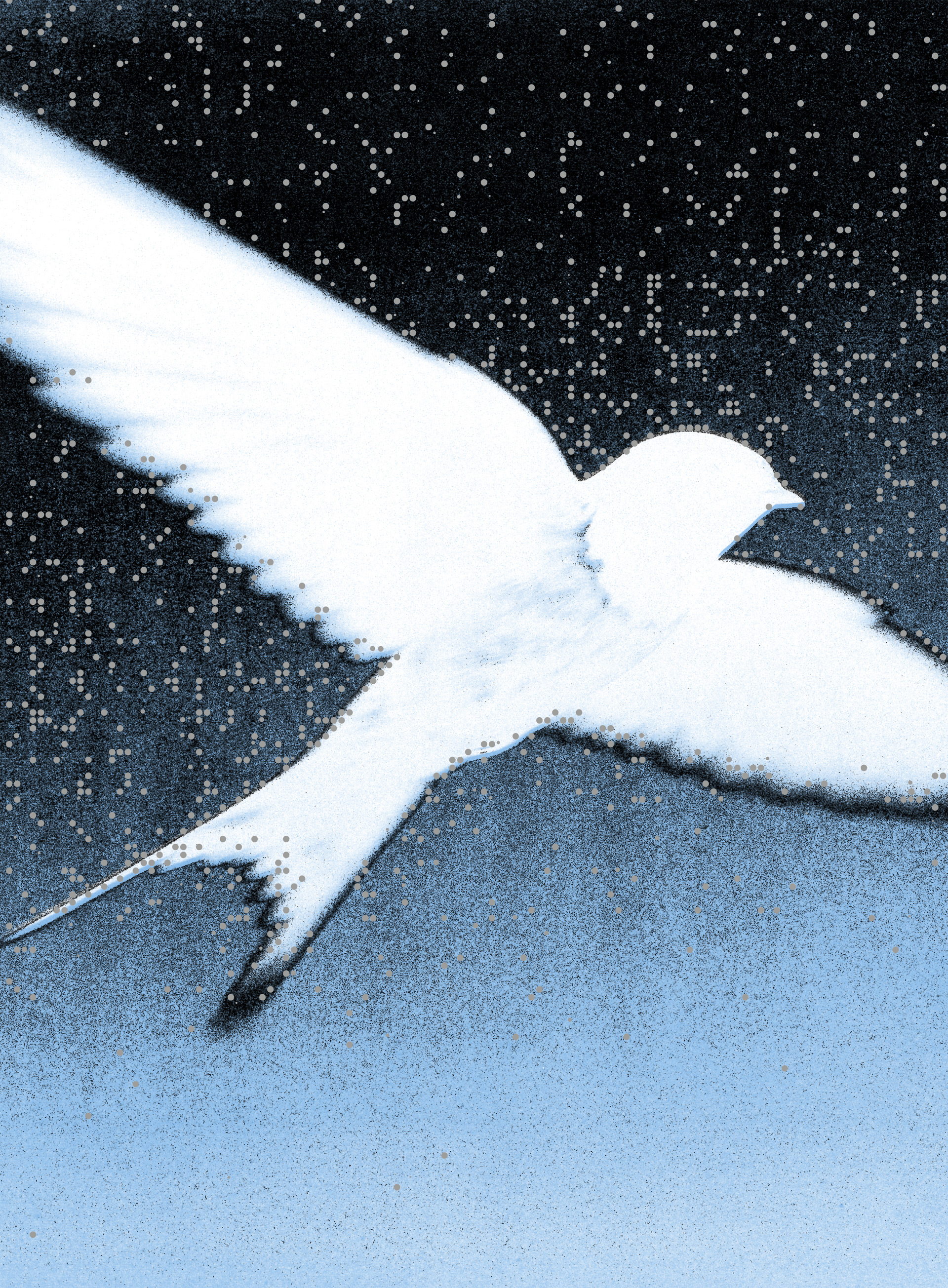
As software becomes easier to build, the scarce skills move elsewhere: knowing what should exist, recognizing what works and understanding what people want.

Garry Tan, Venture capitalist
Philippe Aghion

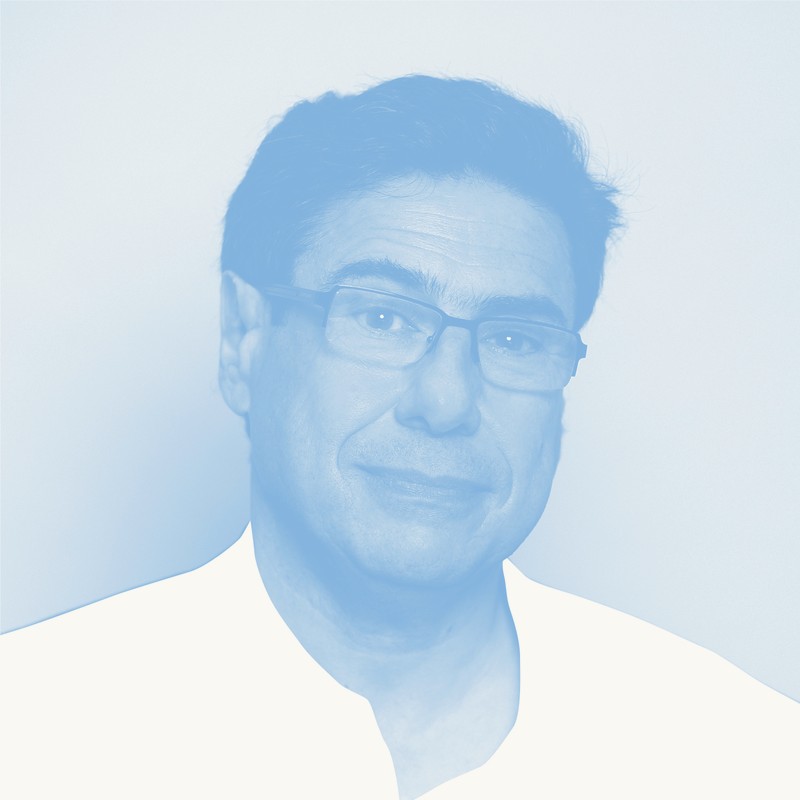
Philippe Aghion: AI’s growth potential depends on competition
New technology can open the door to innovators or entrench the companies already in charge. The economist explains why his optimism depends on the institutions we build.

Philippe Aghion, Economist
Tyler Cowen: iceberg

Tyler Cowen on the AI gains GDP misses
More free time, better services and fewer wasted purchases can make us wealthier without showing up in the headline numbers.

Tyler Cowen, Economist
Blue gradient background featuring overlapping layers of cursive and printed text, with the phrase “code is poetry” visible in the center.
Abundance and Scarcity

Poetry, algorithms and the words we inherit

Sasha Stiles, Poet
Four scholar's rocks in blue

Finding meaning in AI art through scholar’s rocks

Faced with a glut of synthetic content, novelist Ken Liu finds an unexpected artistic possibility in a Chinese tradition of collecting and shaping unusual stones.

Ken Liu, Fiction writer
A gray circle centered on a white background with a blue, soft-edged teardrop shape extending downward from it.

Abundance is no guarantee of a resilient society

Two centuries of extraordinary growth have taught us to expect more. Aaron Bastani asks whether that expectation has left us unprepared for disruption.

Aaron Bastani, Author and journalist
A large blue pie chart slice and a smaller grey slice on a light grey background.

A richer economy won’t be enough to win trust in AI

Harvard professor Stefanie Stantcheva examines how people judge technological change: through their own experience, their expectations of fairness and what happens to those who lose out.

Stefanie Stantcheva, Economist
In-Between
Abundance and Scarcity

In-Between

Daniel Benson, Photographer
Mariana Mazzucato: skyline

Mariana Mazzucato: Who benefits from AI abundance?
Public investment and shared resources underpin the technology. The economist argues that how we account for those contributions should change who shares in the returns.

Mariana Mazzucato, Economist
Guy Standing

Basic income as a right to shared wealth
Guy Standing argues that economic security should rest on a common inheritance, not the generosity of technology companies or predictions of a world without jobs.

Guy Standing, Economist

When AI knows better, who gets the last word?
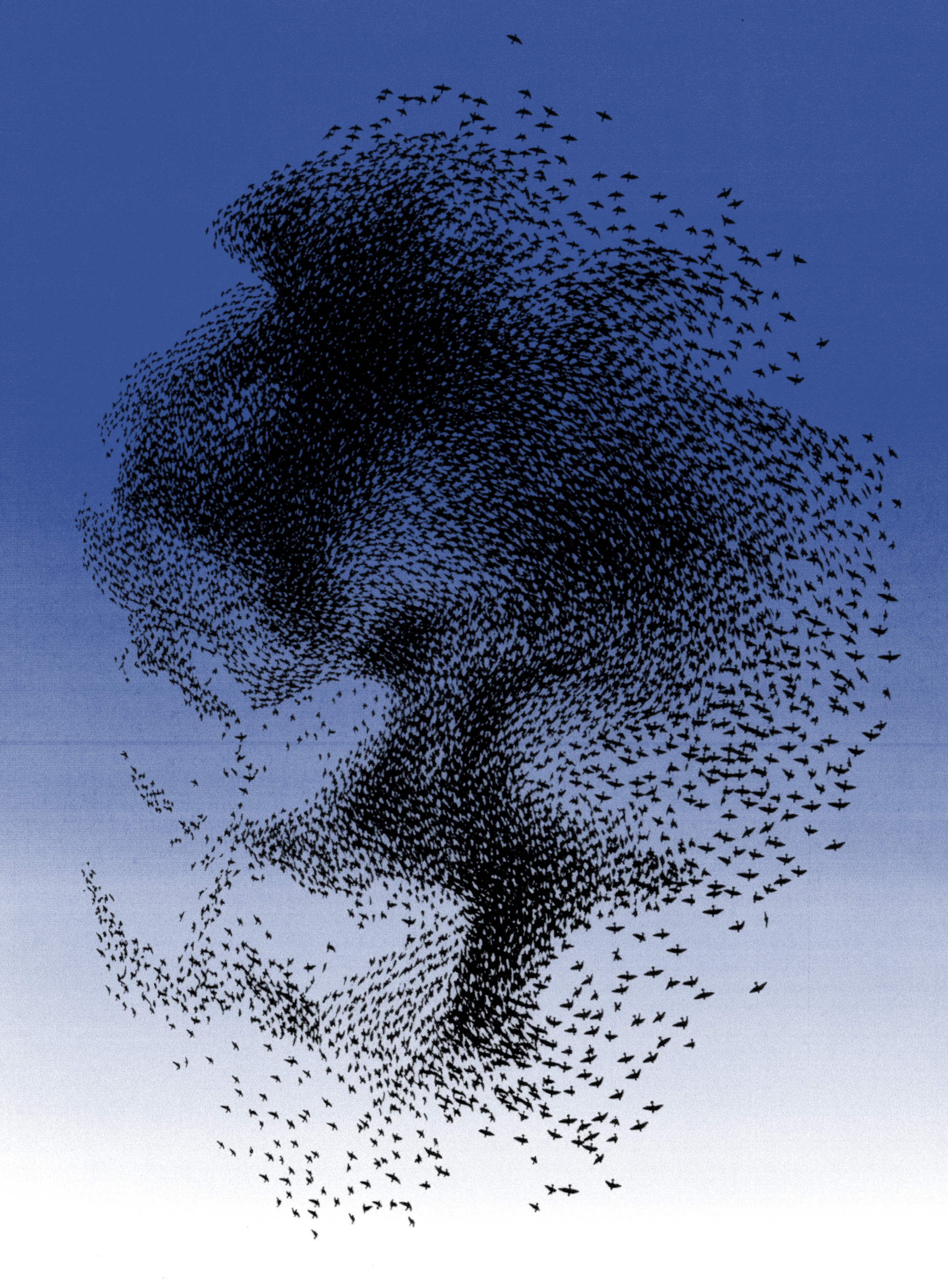
Following an assistant’s advice can make life easier. Brendan McCord asks what happens when choosing for ourselves becomes a habit we no longer practice.

Brendan McCord, Philosopher and entrepreneur
A large murmuration of birds forming a dense, swirling cloud against a blue and white gradient sky.

Holly Herndon on making art in an age of infinite media

From a choir that trains a model to a parliament of people and agents, the artist builds spaces where participation is part of what gets made.

Holly Herndon, Artist

From Issue 01
People & Technology

Abstract design with geometric patterns in white and coral orange. The image is divided into four sections, each featuring different dot, line, and wave textures, creating a modern, graphic look.

AI and democracy: the right to resist optimization

Taiwan’s cyber-ambassador Audrey Tang on why the real danger of AI isn’t that machines imitate humans, but that humans adapt to machines.

Audrey Tang, Cyber ambassador
A minimalist photo of sand dunes in a desert, with the image tinted in pink tones. The dunes curve gently, creating a wavy pattern against a plain, light background.

Will AI replace workers? Not if we build it right
MIT professor Daron Acemoglu argues that AI is chasing the wrong goal. Instead of replacing workers, it should make them better at their jobs.

Daron Acemoglu, Economist
A single checkered flower with curved leaves and stem, illustrated in white on a pink background.

AI could transform healthcare and education. Why aren’t we more ambitious?

Investor and technologist Sarah Guo argues that the biggest risk with AI isn’t moving too fast, it’s thinking too small.

Sarah Guo, Investor
A collage of pink-tinted photographs each with a white silhouette cutout: a person walking, a standing person, a car, a seated figure, a dog, a rock, and two pieces of furniture, all on a plain pink background.

Does AI have rights?

ChatGPT said no. Claude wasn’t sure. Harvard’s Cass R. Sunstein argues that the only thing that could give AI rights is still missing.

Cass R. Sunstein, Professor

Recent Field Notes

Painted illustration of an arborvitae: a red-orange trunk among green and yellow branches
Alena Bubniak

Discovery and recovery

When someone working in AI becomes a patient, they see an increasingly AI-assisted healthcare system from the inside.

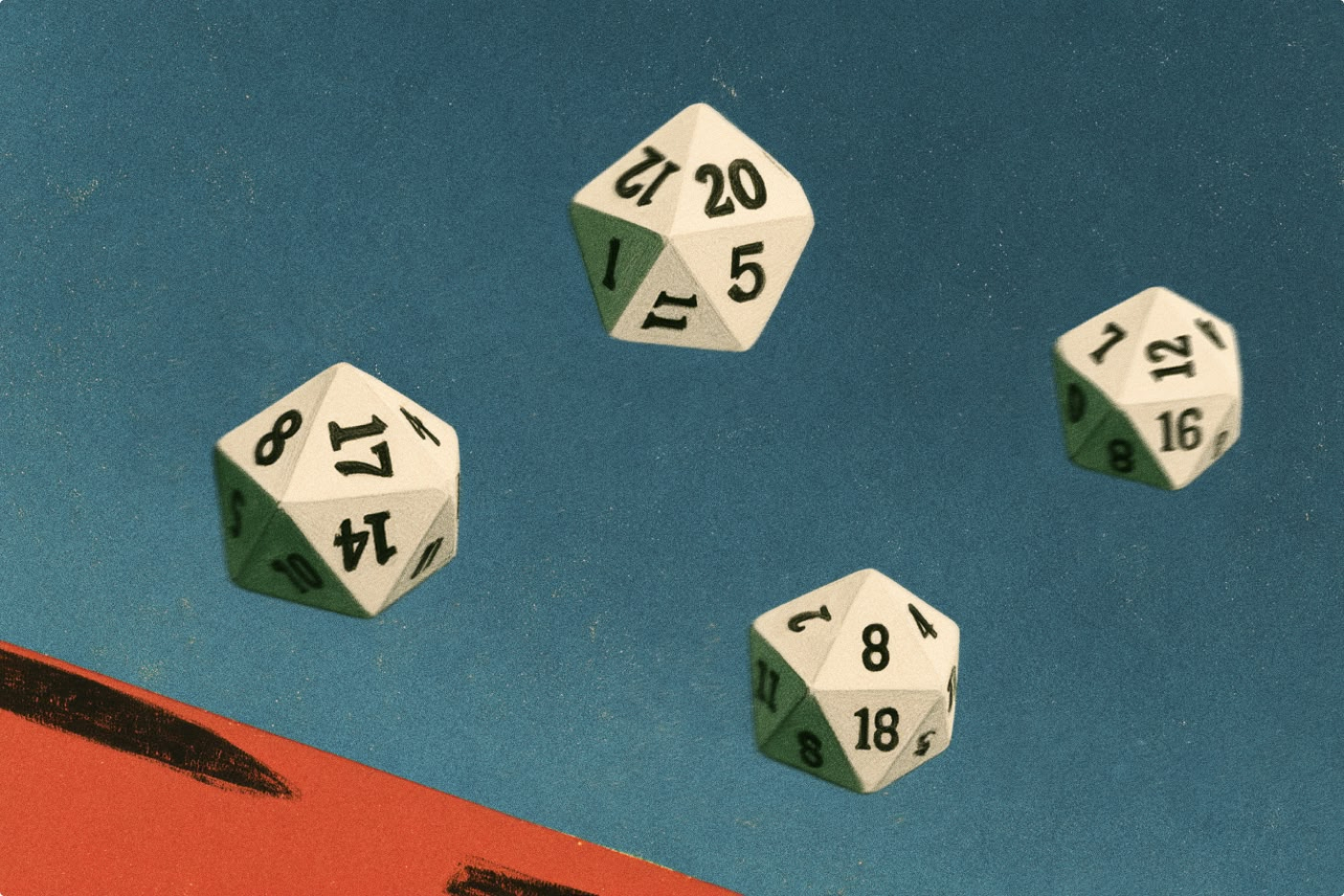
Four twenty-sided dice suspended in midair against a blue background, above a red surface.
Bea Costa Gomes, Lukas Wiedemann

Policy gaming AI events: Anticipation and adaptation through tabletop exercises
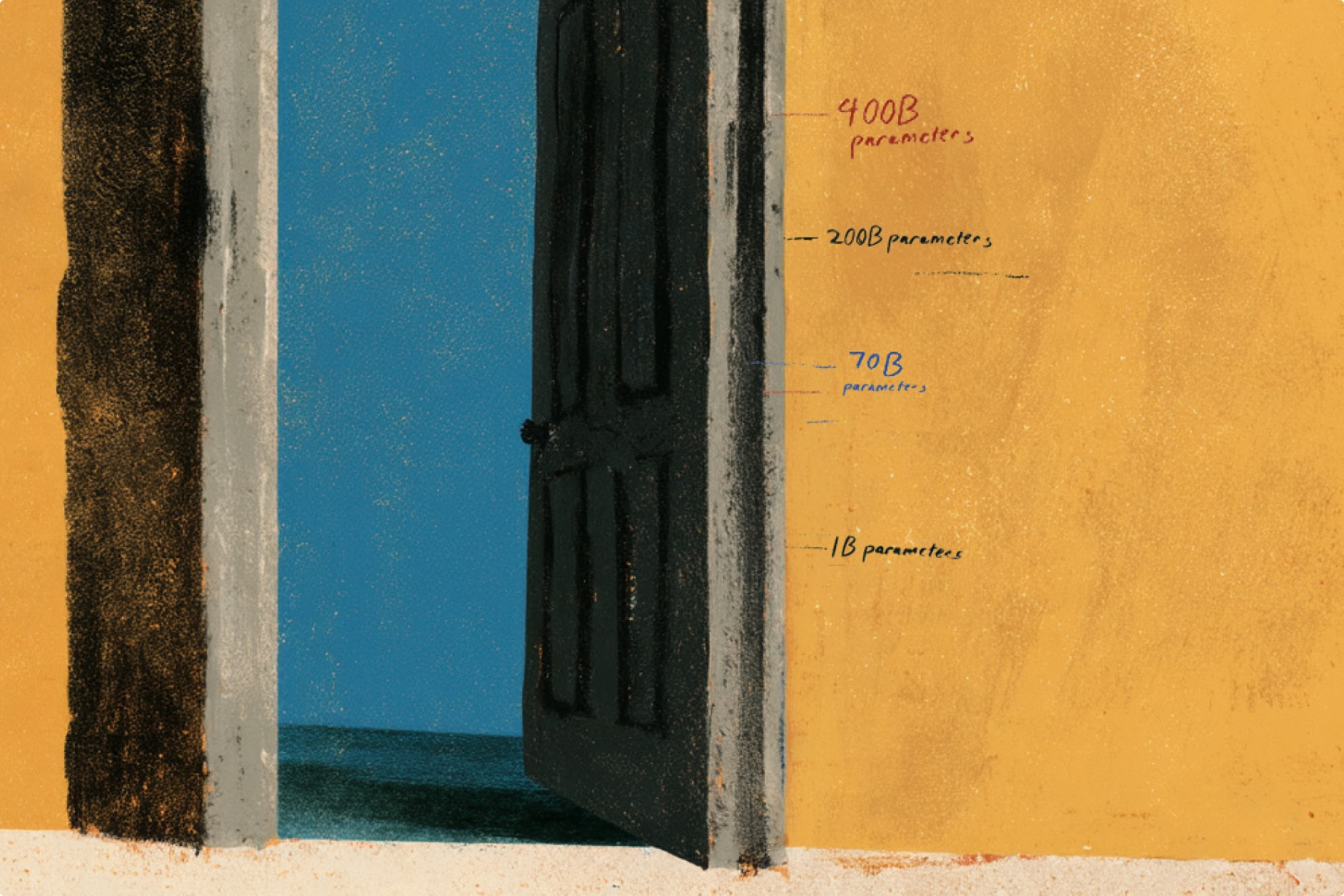
Strategy gaming can help to pre-emptively model incentives and stress test decisions under uncertainty. As AI-related events lack historical precedents, these methods can assist in planning and preparedness.

An open door against a yellow wall with labels indicating scale sizes ranging from 1B parameters to 400B parameters.
Deb Morgan

You are not your AI’s mother

Language matters, and the words that we use to describe the relationship with models shouldn’t be the same as one of the most deeply human connections.

English (United States)
Your Privacy Choices Opt-Out Icon Your Privacy Choices
Consumer Health Privacy Sitemap Contact Microsoft Privacy Manage cookies Terms of use Trademarks Safety & eco Recycling About our ads