AI is changing what we can do. Who we become is still our choice
To understand AI’s effect on moral character, ethicist Kwame Anthony Appiah goes back to John Stuart Mill, and the idea that people are shaped by their choices.
Source
To understand AI’s effect on moral character, ethicist Kwame Anthony Appiah goes back to John Stuart Mill, and the idea that people are shaped by their choices.
Psychologist Alison Gopnik tells three stories about intelligence — a golem, a pot of stone soup, and a digital child — to explain what AI still can’t do.
Most AI governance is built on Western assumptions. Philosopher Pak-Hang Wong draws on Confucianism to propose a new foundation.
MIT professor Daron Acemoglu argues that AI is chasing the wrong goal. Instead of replacing workers, it should make them better at their jobs.
Philosopher Elizabeth Anderson on why work gives life purpose, mastery, and autonomy, and why a future without it isn’t the liberation it seems.
ChatGPT said no. Claude wasn’t sure. Harvard’s Cass R. Sunstein argues that the only thing that could give AI rights is still missing.
Six hundred million years of thinking happened without us. Writer James bridle on what can an octopus, a spider and a flower tell us about the nature of intelligence.
Naomi Alderman is a best-selling, award-winning novelist. She thinks AI writing is terrible. She’s fascinated anyway.
The greatest creative partnerships ran on friction, ego, and love. Author Ian Leslie asks whether AI can ever get there.
Screenwriter Jonathan Nolan and author Will Storr discuss what AI gets right about stories, and what it’s missing.
Taiwan’s cyber-ambassador Audrey Tang on why the real danger of AI isn’t that machines imitate humans, but that humans adapt to machines.
Investor and technologist Sarah Guo argues that the biggest risk with AI isn’t moving too fast, it’s thinking too small.
Humans could use some help when it comes to matters of the heart. What if technology could help us where we have been hopeless?
Technology, when built with intention and humility, is not opposed to humanity. It’s an expression of us.
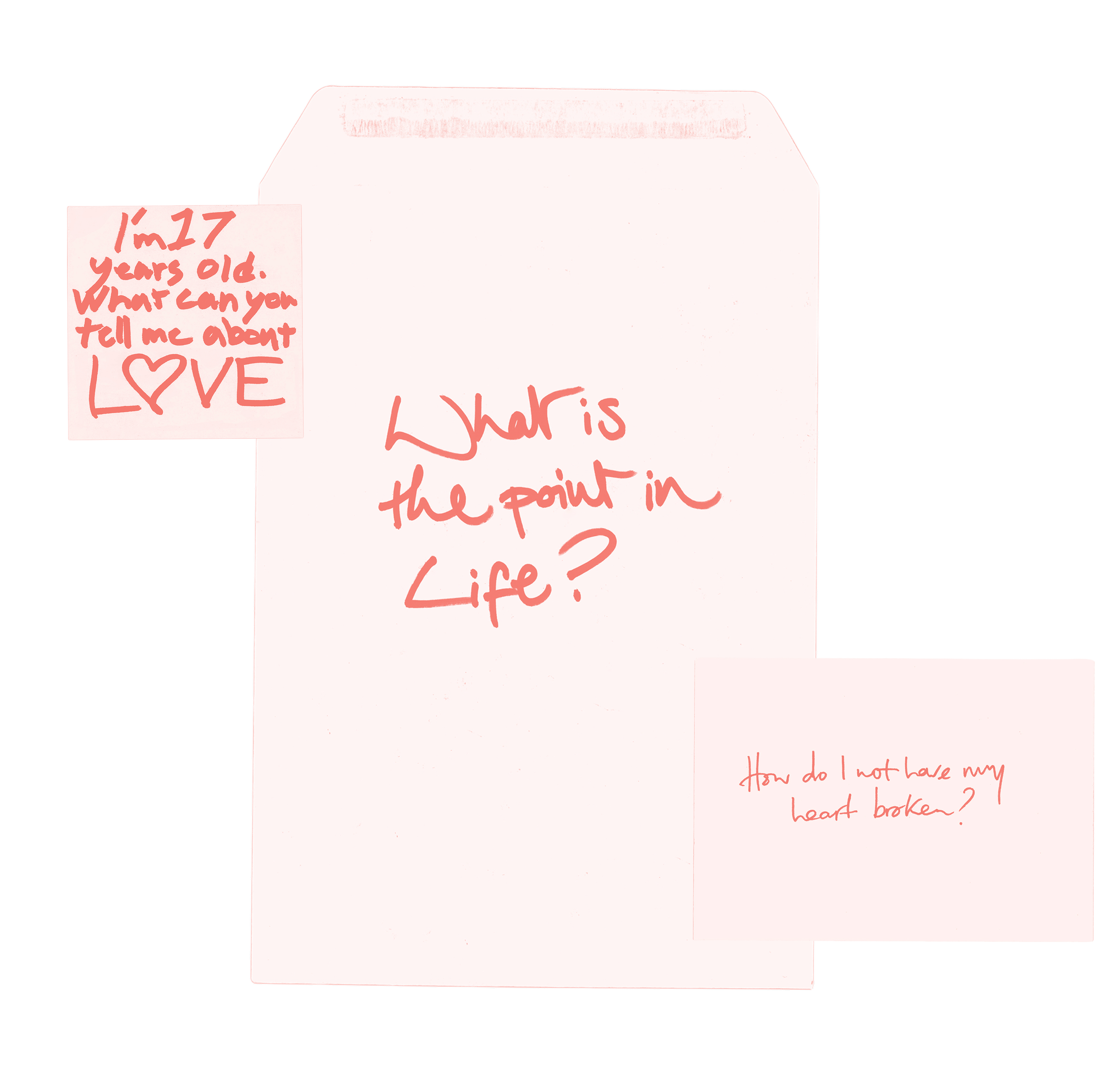
“To love the things you once wished to destroy”: musician and songwriter Nick Cave introduces a selection of correspondence from The Red Hand Files.
A conversation with Amaury Greig, a partner at Renzo Piano Building Workshop on the original human-centered design: architecture.